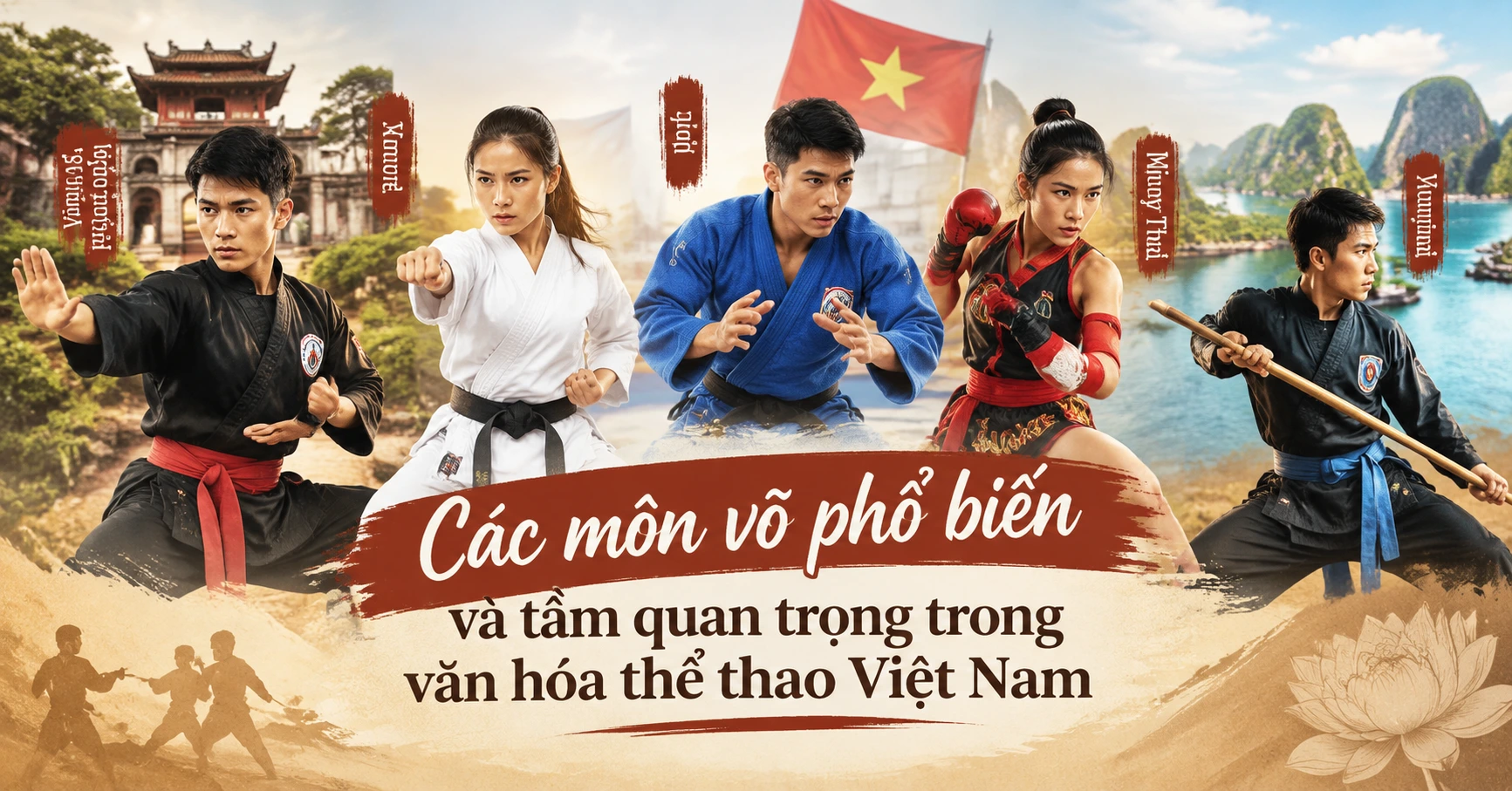
Martial arts popular and their importance in Vietnamese sports culture
Overview of martial arts
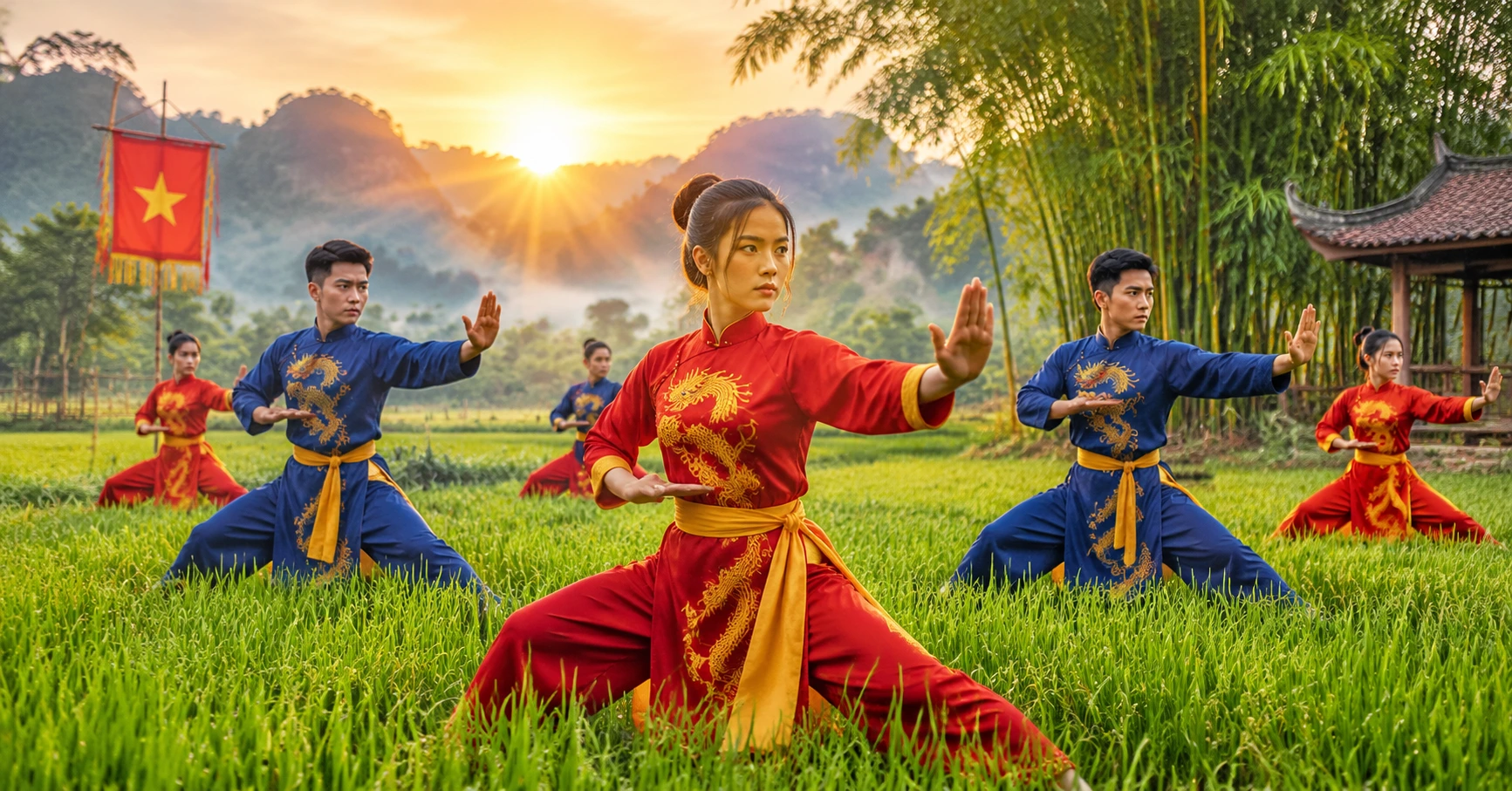
Martial arts is not only a form of physical training but also carries the cultural and spiritual values of the Vietnamese people. Since ancient times, the Vietnamese have developed many different martial arts schools, both to protect themselves and to enrich spiritual life. Martial arts also plays an important role in shaping character, resilience, and confidence for practitioners.
In the modern context, martial arts is not only a means of self-defense but has also become a widely loved sport, contributing to improving community health and developing Vietnamese sports culture. Learning martial arts also helps the younger generation better understand the traditions, history, and profound human values of the nation.
Discover traditional and modern martial arts at vothuatvietnam to better understand Vietnamese sports culture.
Discover traditional and modern martial arts with vipwin to better understand Vietnamese sports culture.
Traditional Vietnamese martial arts
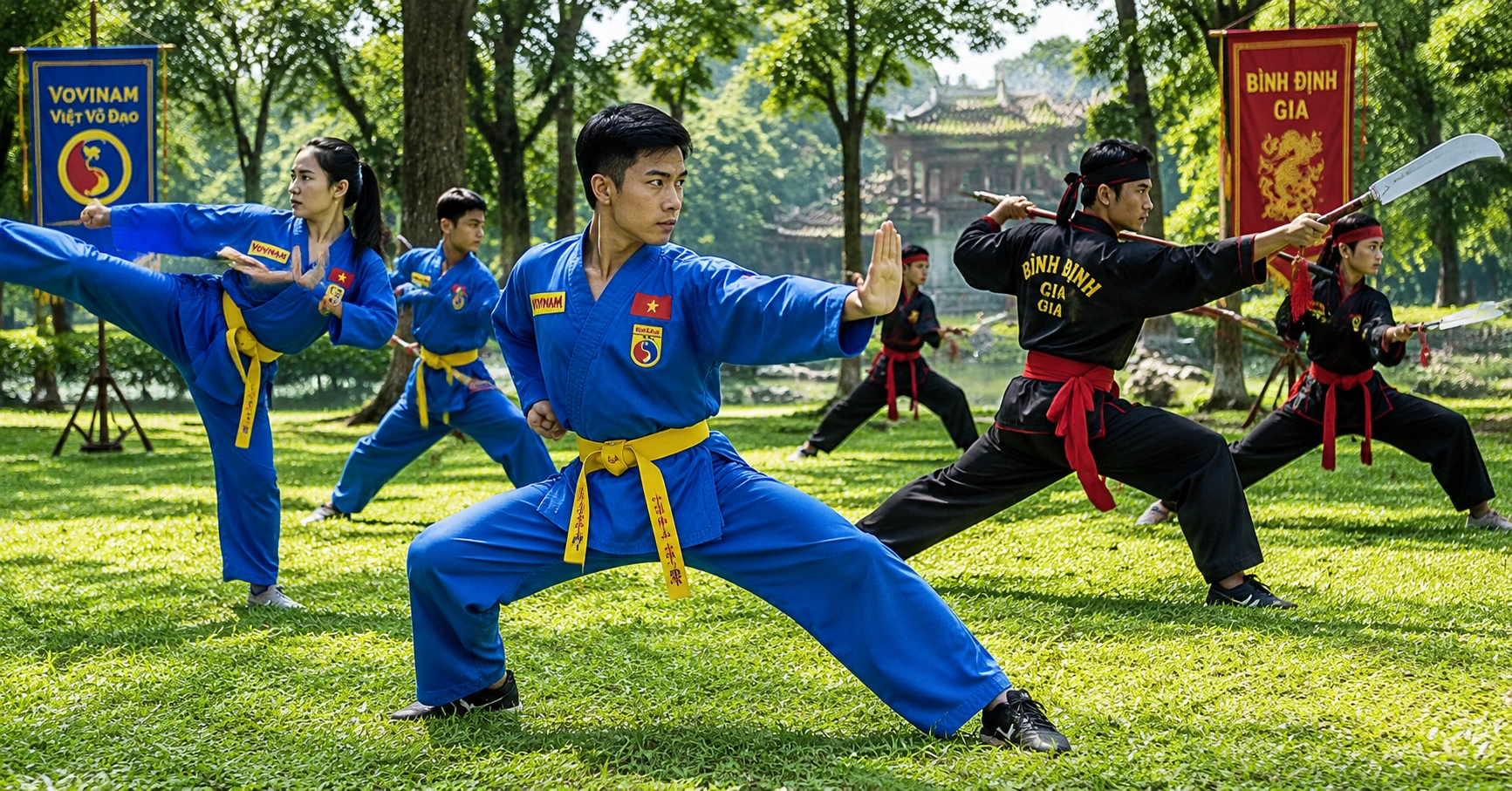
Vietnam has many prominent traditional martial arts such as Vovinam, Binh Dinh, and traditional martial arts, each with its own distinct techniques and philosophies. Martial arts this not only focuses on strength but also aims for balance between body and soul. In particular, during training, learners are trained in perseverance, patience, and mutual respect.
Vovinam – Vietnamese martial arts
This is a comprehensive martial art, including punches and kicks, wrestling, and self-defense techniques, famous for its forms and diverse martial techniques, suitable for all ages. Vovinam not only develops fighting skills but also emphasizes the spiritual and moral development of martial artists, creating a well-rounded martial arts system.
Binh Dinh – Traditional martial arts of Central Vietnam
With powerful, decisive techniques, Binh Dinh is a symbol of martial arts in Central Vietnam, loved and studied by many martial arts students. Binh Dinh carries the spirit of a warrior, reflecting the strength and resilience of the people of Central Vietnam. This martial art is also an important part of traditional festivals and local cultural events.
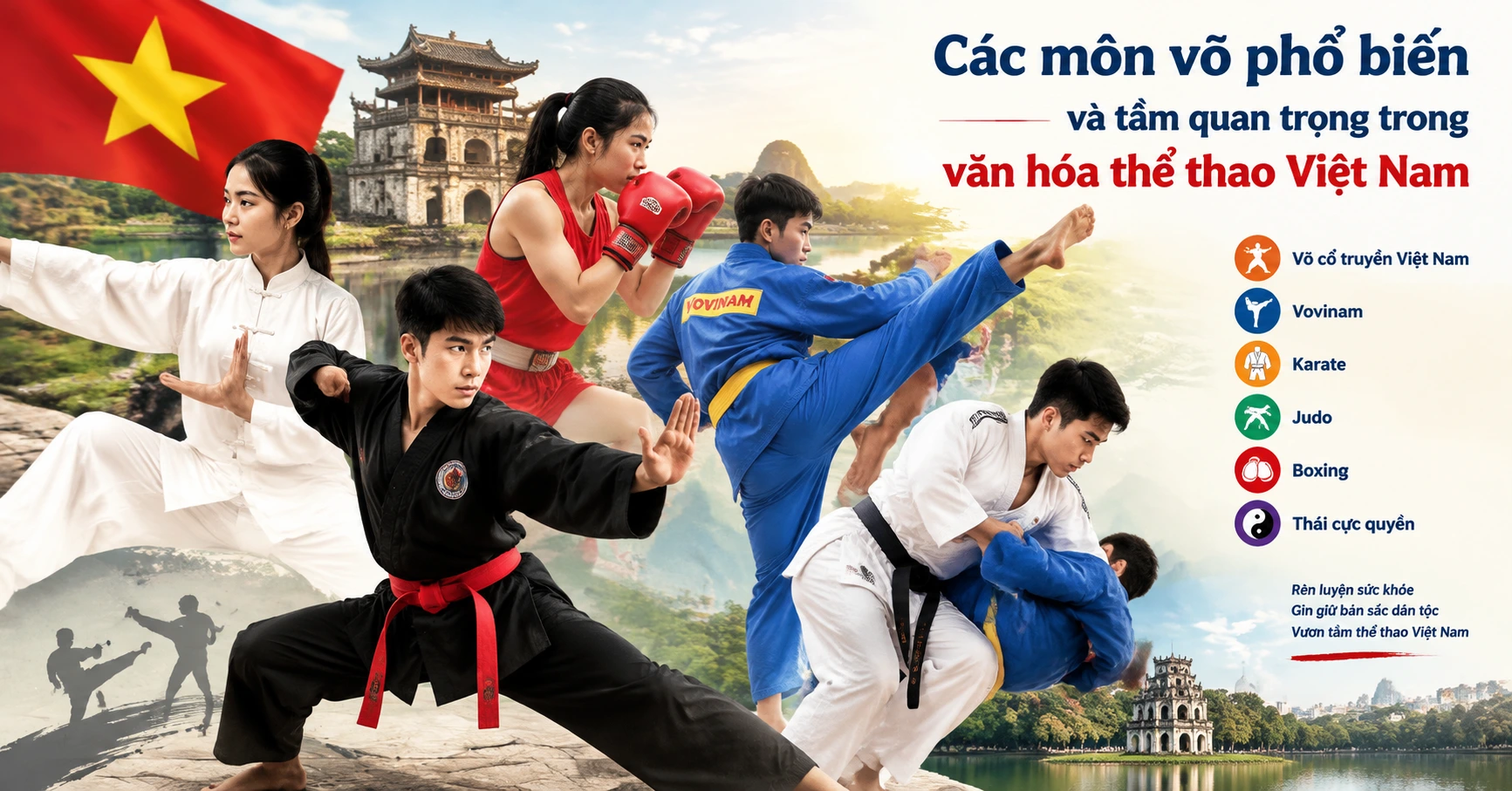
Traditional martial arts – the essence of Vietnamese martial arts
Vietnamese traditional martial arts are a collection of martial arts schools passed down through many generations, containing unique combat secrets and training methods. Practicing traditional martial arts not only helps preserve cultural heritage but also contributes to developing the physical and mental strength of practitioners. Many masters also teach distinctive martial arts techniques, helping students improve their self-defense and combat effectiveness.
Modern and international martial arts in Vietnam
Besides martial arts tradition, many international martial arts such as Karate, Taekwondo, Judo, and Muay Thai have also developed strongly in Vietnam. These martial arts are organized as professional competitions and attract a large number of young athletes to participate. Adopting and developing international martial arts helps expand knowledge and skills and creates opportunities for cultural exchange between countries.
In particular, modern martial arts also contribute to raising the national competitive level, helping Vietnam compete on the international sports stage. Vietnamese fighters continuously strive to train martial arts techniques to achieve high results in regional and world tournaments.
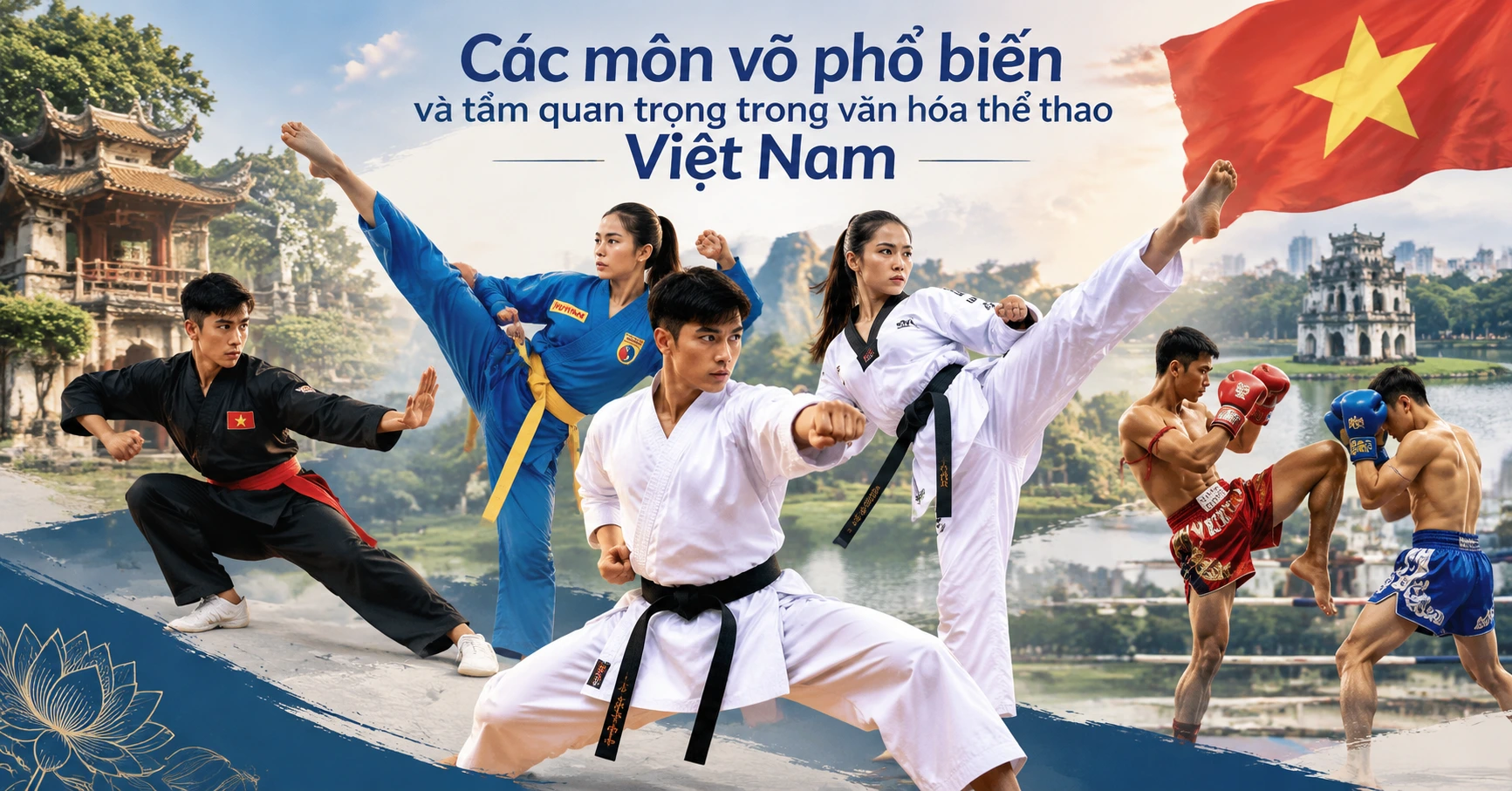
Popular Statistics Table martial arts now
| Martial Art | Number of learners (estimated) | Highlights |
|---|---|---|
| Vovinam | 100,000+ | Diverse techniques, rich bao vo thuat |
| Taekwondo | 80,000+ | Fast kicks, Olympic competition techniques |
| Karate | 60,000+ | Powerful punches and kicks, focused techniques |
| Muay Thai | 40,000+ | Strong strikes, distinctive clinch techniques |
| Judo | 30,000+ | Throwing, locking, and grappling techniques |
Tactical analysis in each martial art
Each martial art in martial arts has its own distinct strategies based on techniques and competition goals:
- Vovinam: Prioritizes flexibility, combining diverse offense and defense, using many bao vo thuat techniques to gain an advantage in matches.
- Taekwondo: Focuses on the speed and power of high kicks, taking advantage of quick movement to overwhelm opponents.
- Karate: Uses powerful punches and kicks, with techniques focused on precision and quick reflexes, creating effective strikes in a short time.
- Muay Thai: Combines punches, kicks, elbows, and knees with its distinctive clinch technique, creating constant pressure on the opponent.
- Judo: Focuses on throwing, locking, and grappling techniques, using weight and leverage to control and defeat opponents.
Development trends and culture bao vo thuat in Vietnam
In recent years, the culture bao vo thuat has increasingly received attention and grown strongly in Vietnam. The organization of professional martial arts tournaments and the practice movement for both traditional and modern martial arts have contributed to raising public awareness of the benefits of martial arts.
Martial arts is not only a means of physical training but also a cultural bridge, helping young people better understand national traditions and develop life skills. Many martial arts clubs have actively taught bao vo thuat techniques, combining traditional and modern elements, to create a generation of fighters who are well-rounded both physically and mentally.
In addition, the development of martial arts also contributes to promoting sports tourism and showcasing Vietnam's image to the world. International martial arts events held in Vietnam have attracted the attention of large numbers of spectators and international athletes, creating multidimensional and sustainable cultural exchange.
With growing interest, martial arts and culture bao vo thuat is expected to continue developing strongly, becoming a source of pride for Vietnamese sports in the near future.